Our History

From our earliest days in 1916 to the thriving group we are today, these stories capture the people, places, and moments that shaped 1st Hazel Grove Scout Group.

In March 2016, 1st Hazel Grove Scout Group will celebrate its 90th birthday. That is the 1st Hazel Grove (Methodist Sponsored) Scout Group that was registered with the Boy Scouts’ Association on 22nd March 1926 and is numbered 4871. This is the beginning of a history of the Group written by Chief – Michael Vernon, the son of the Group’s founder, Harold Vernon.

We’ve brought together the full historical write-ups and photographs from the original site so they live alongside the rest of the group’s story.

Page 1 of 4

A Scout Group is born…

A Scout Troop was started at Wesley Street on 5th March 1916 – this was known as the 2nd Hazel Grove. This group ran successfully until 23rd June 1917 when it was absorbed by the 1st Hazel Grove Troop – an independent Troop – with a hut located by the path leading from Spring Gardens to London Road and existed c1915-1919.

The 2nd Hazel Grove Troop was reformed at Wesley Street on 4th June 1918 but, despite initial success, lasted only a short while. As was the case with many groups, scouting generally suffered at this period from the demands of the World War on its leaders. It is worth recording that it was through the efforts of 2nd Hazel Grove that our founder, Harold Vernon (Chief) first obtained his youthful introduction to Scouting.
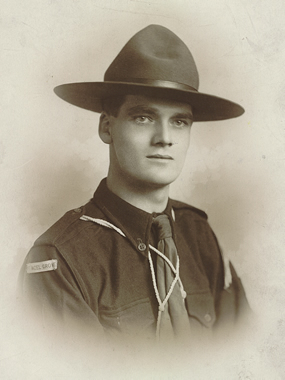
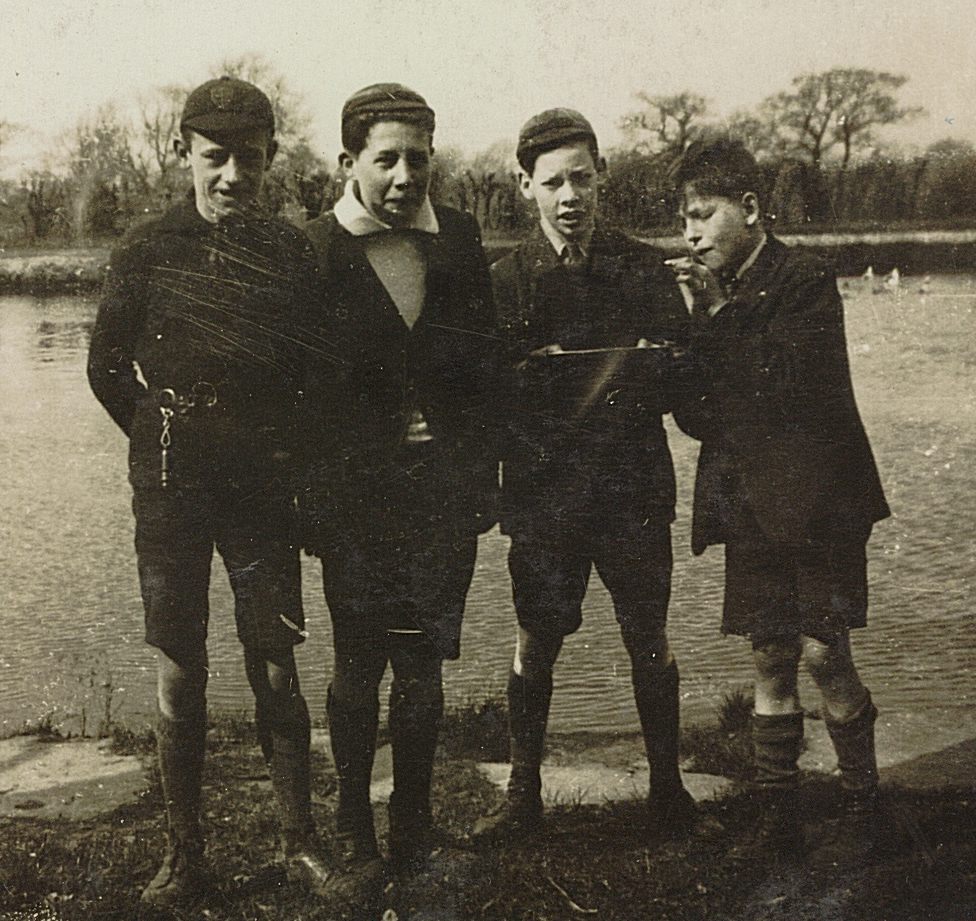
During 1925, Chief determined once again to start a Scout Troop at Wesley Street and, in order to lay a firm foundation, he first of all got together a group of boys and trained them to become Patrol Leaders. These boys held their first outdoor activity at Poynton in January 1926.

The result of his foresight was that when he registered the Troop on 22nd March 1926 and opened its doors for general membership, he was able to offer four Patrols, each with a trained patrol leader – R Shuttleworth (Hawk), E Wilson (Peewit), G Taylor (Owl) and G Pinder (Buffalo).

Shortly after this he was able to increase the number of Patrols to five with P Wright leading Woodpigeon. The annual camp that year was at Rhyl in August and at that camp the Troop was in uniform and our gold and black neckerchief began to make its presence felt.
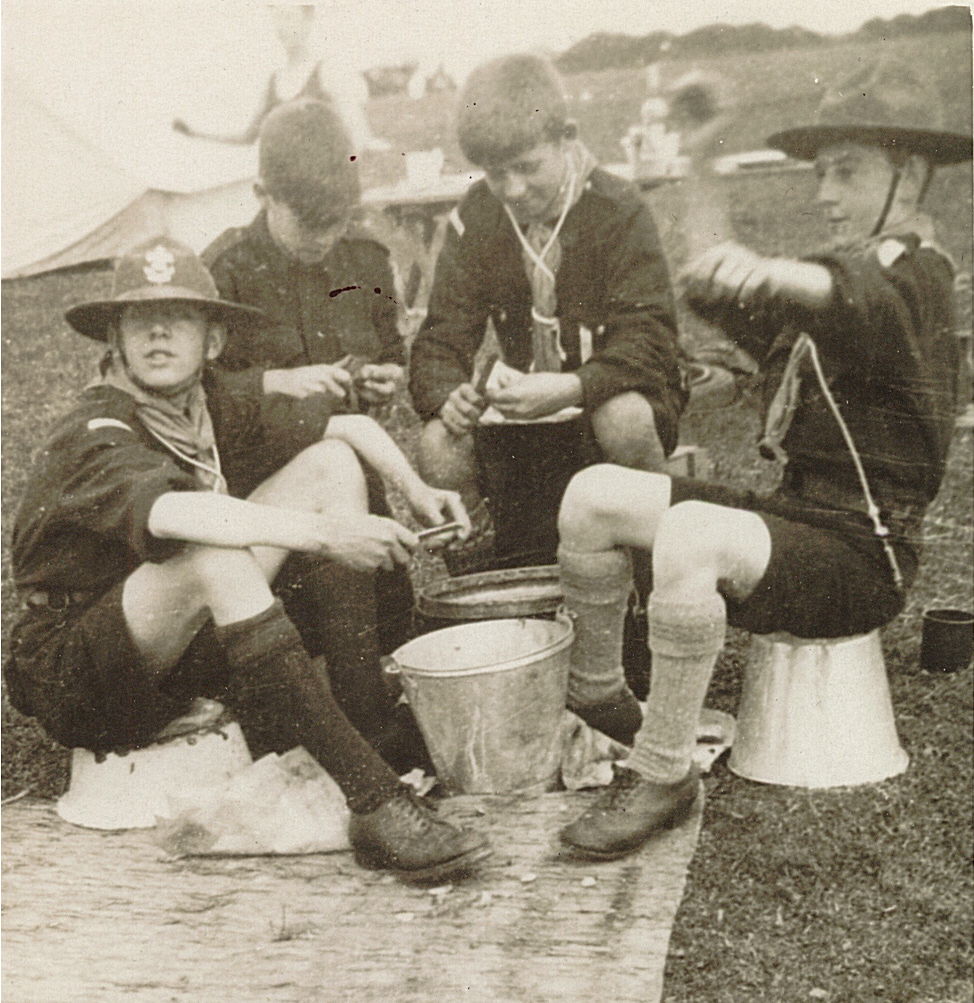
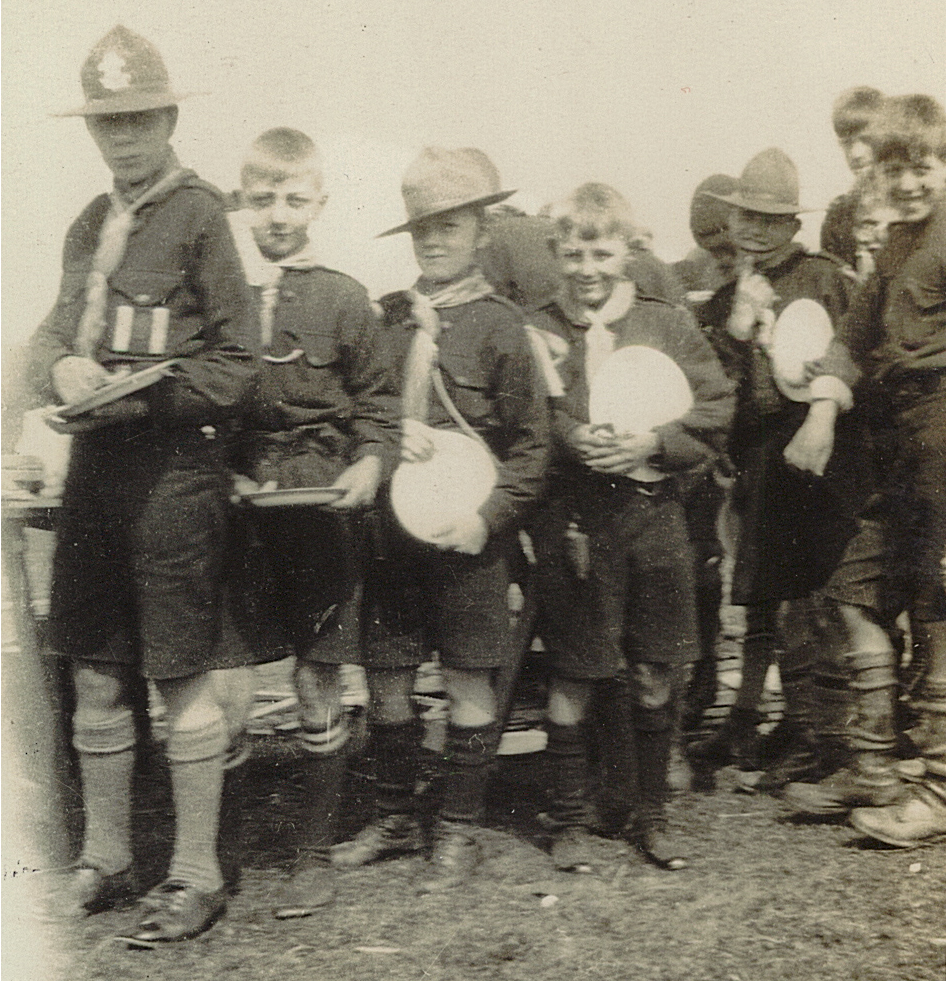
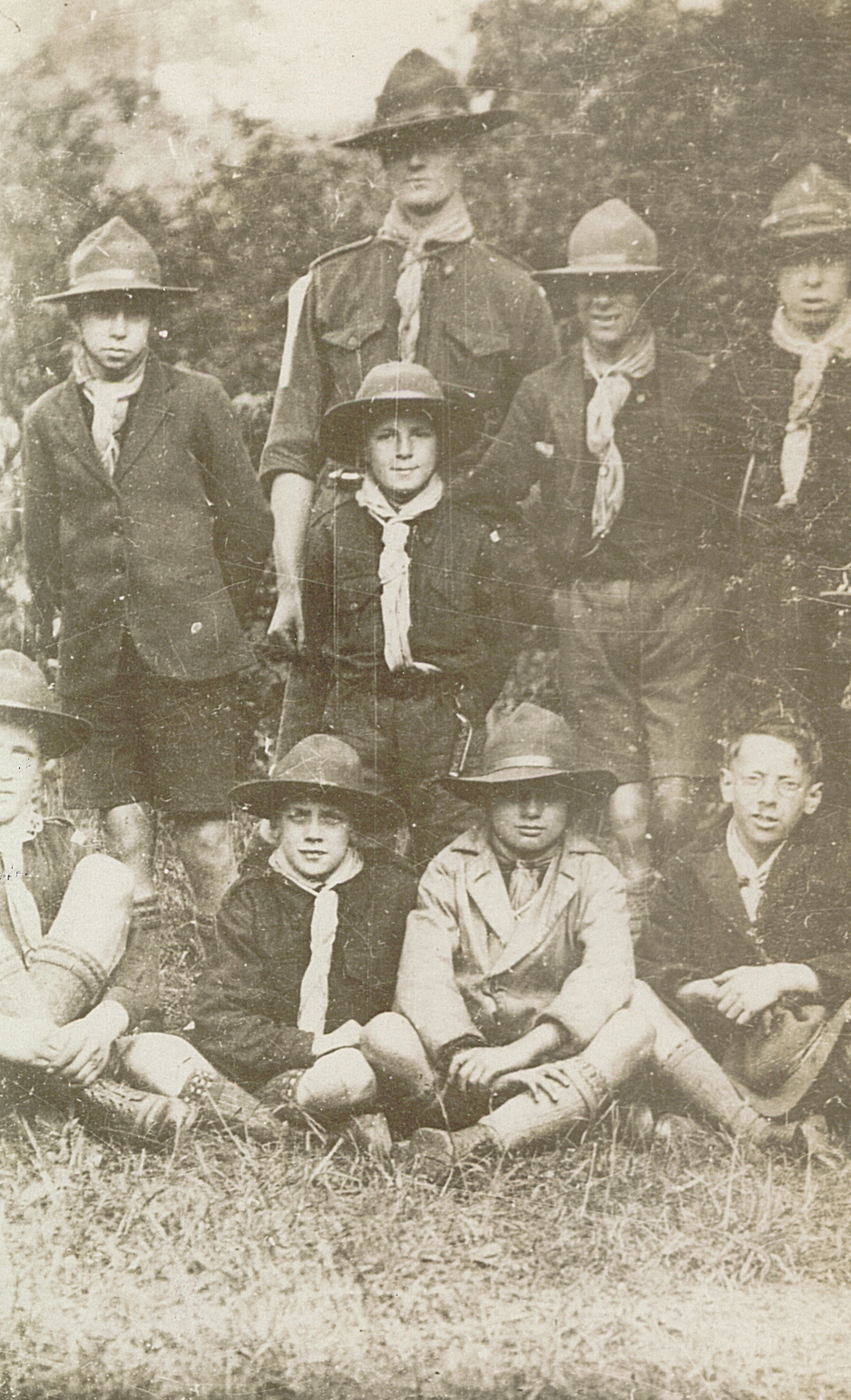
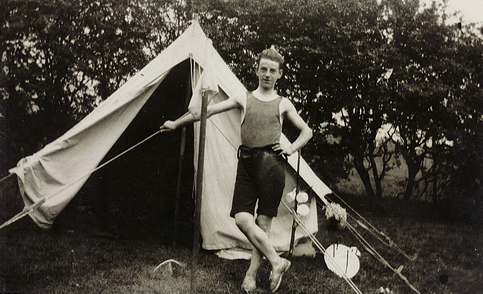
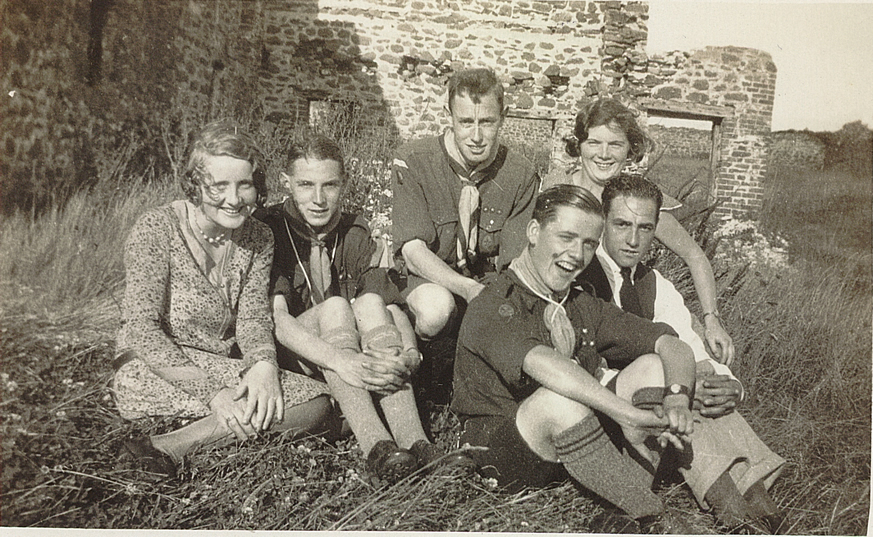
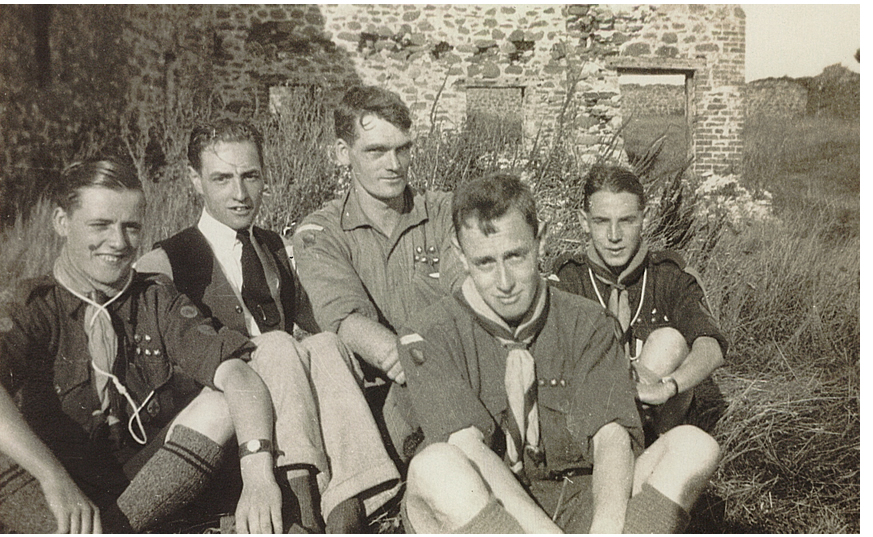
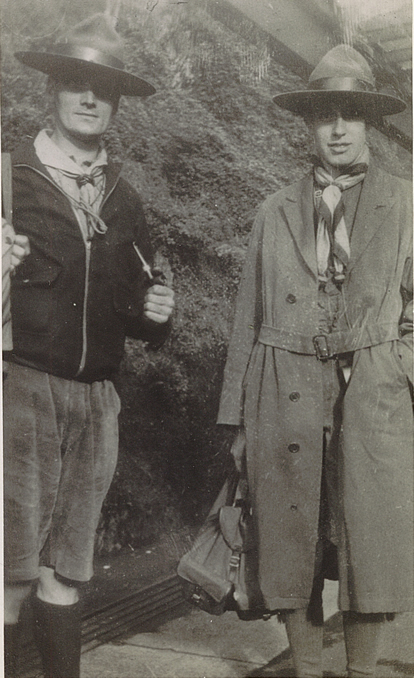
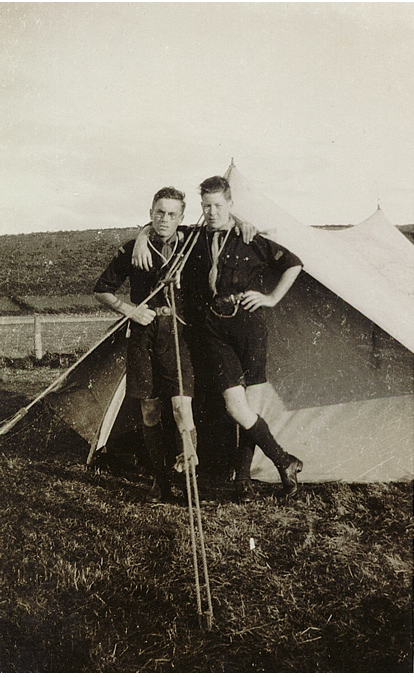
The following pictures are from a Marple Camp held at Whit in 1927. Click any picture to enlarge.
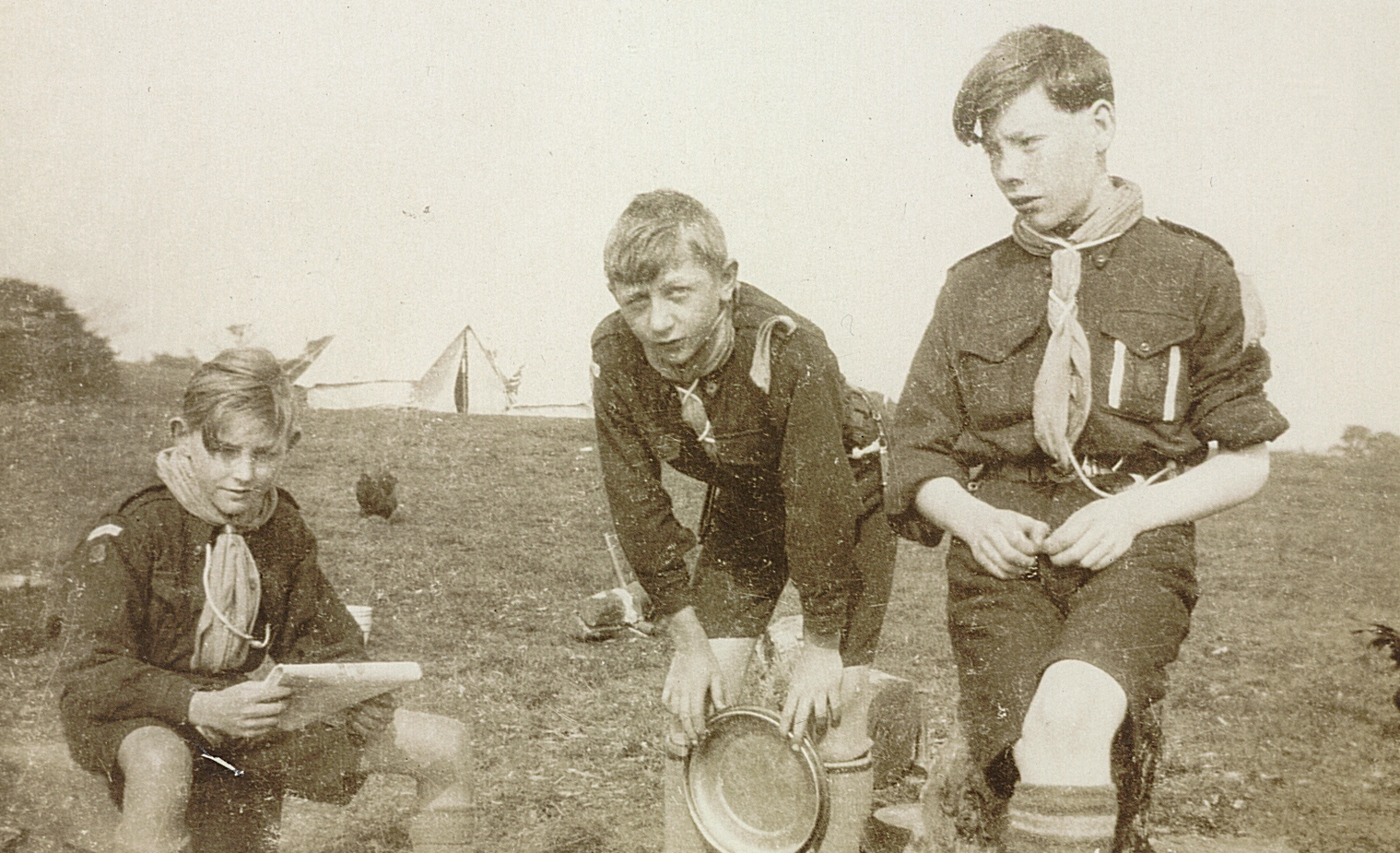
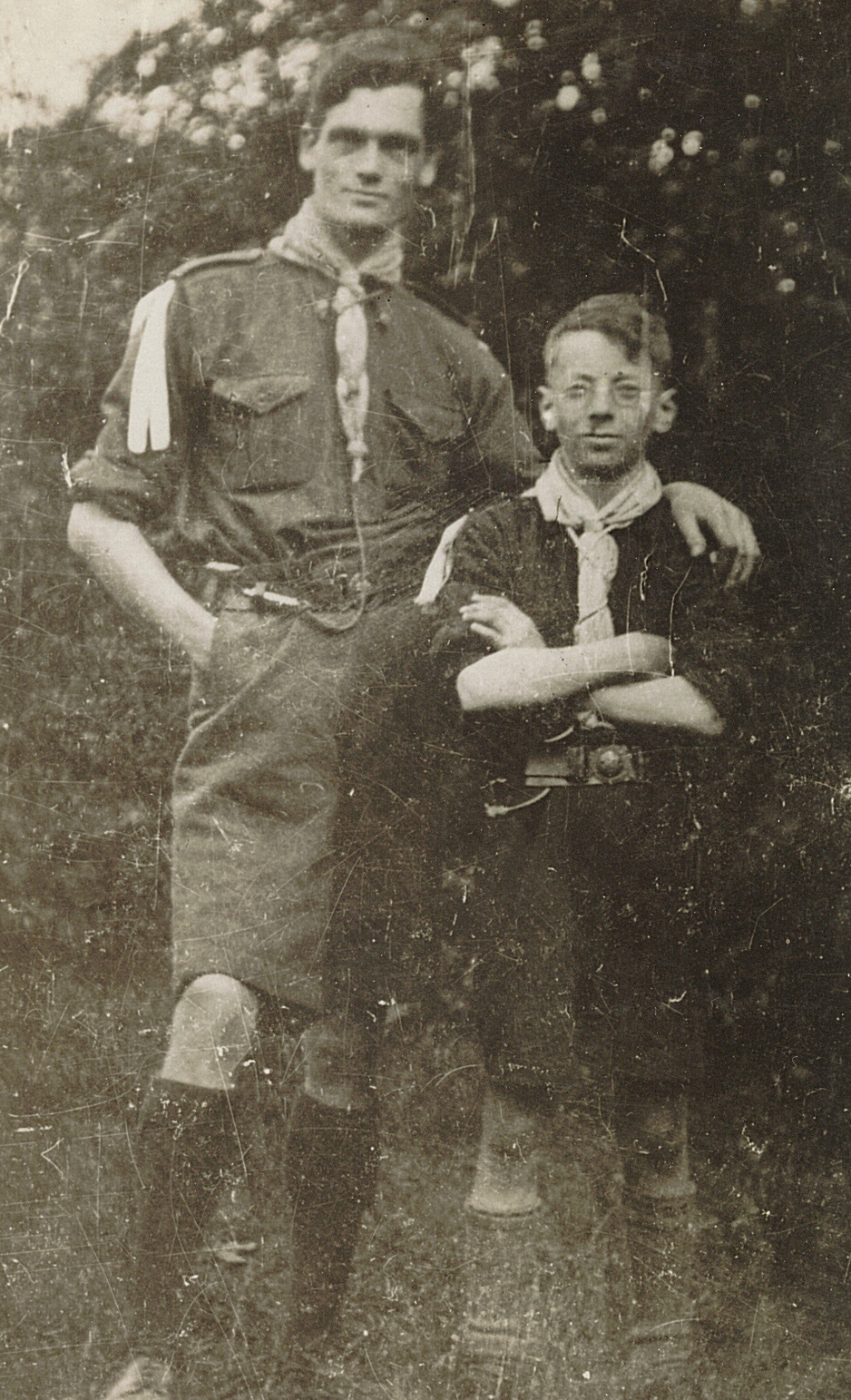
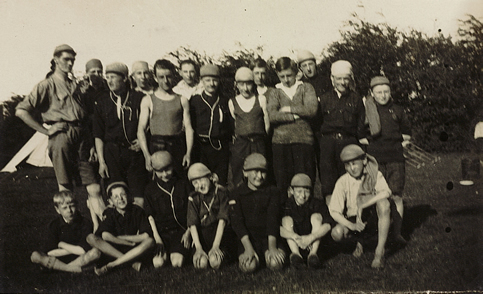
The following pictures are from 1929, again in Marple at Whit.
The Group Thrives, but there’s another War

The Troop held meetings on many nights of the week and a weekend without an outdoor activity was a rarity. Even in those early days, social events for the family were frequent occurrences and the Easter picnic at Latham’s Farm in 1928 was a particular success. By the close of 1928 the Troop had consolidated itself and the Patrols were Eagle, Hawk, Owl, Woodpigeon and Wolf and its success generated the need for a junior branch and on 3rd October 1928 our Wolf Cub Pack was formed with Chief as G.S.M, Reg Crookes (Skip) as S.M. and Nellie Meakin (later Swindles) as Akela.

The following Pictures are from Annual Summer Camp in Llanon in August 1930.

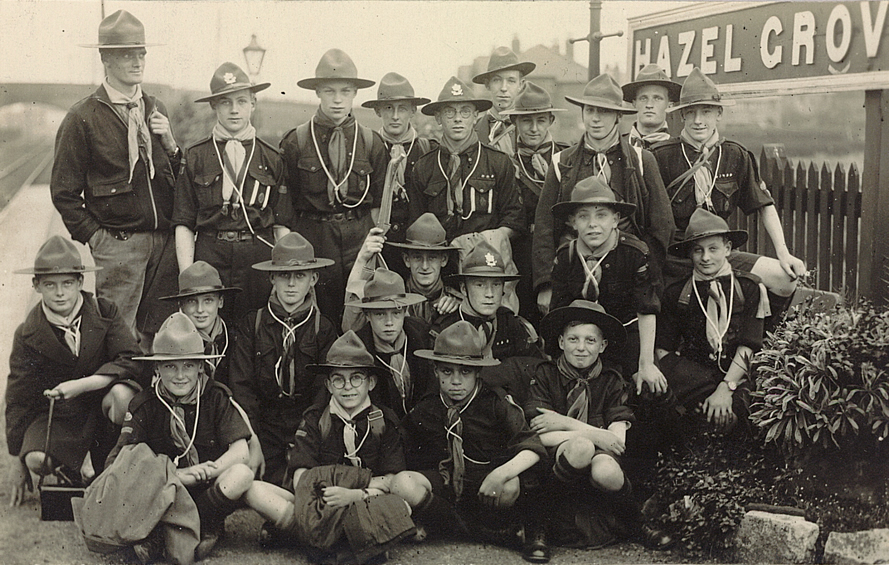
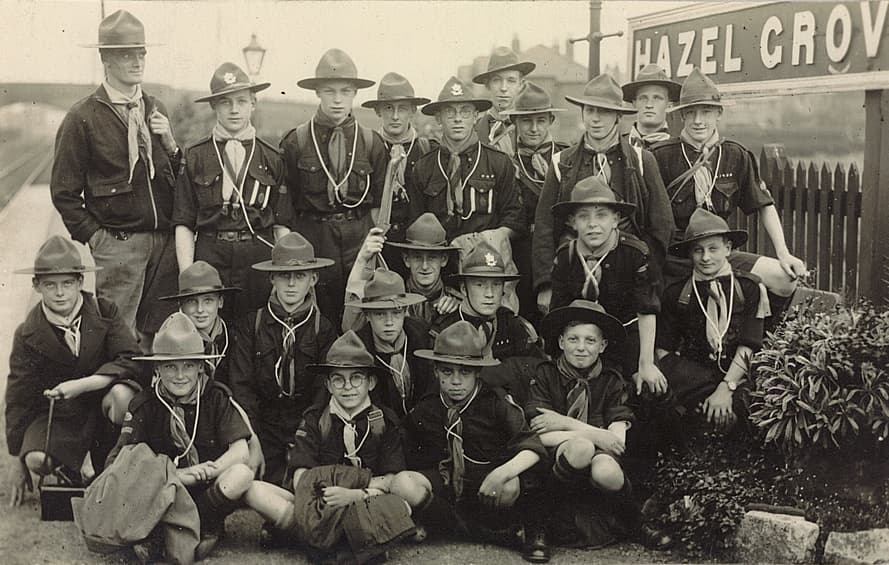
By 1931 there was a healthy group with all sections thriving. This seems to have been an auspicious year with the Troop performing “The Merchant of Venice” at the beginning and later holding its annual camp at Clovelly in Devon. The following picture shows the troop at Hazel Grove Railway Station, ready for departure to Devon.

This camp was made more interesting because the equipment didn’t arrive until thirty six hours after the Troop.

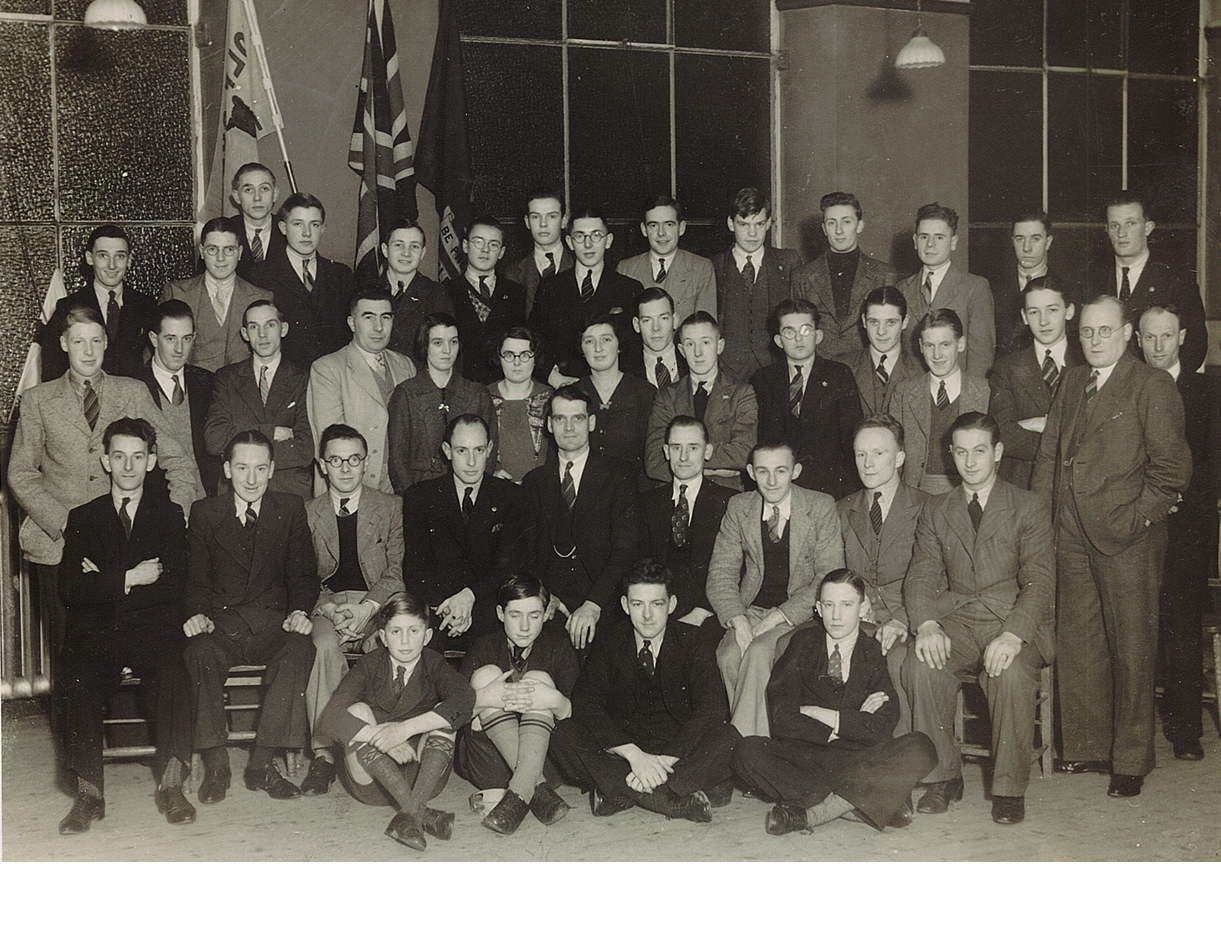
The Group went from strength to strength throughout the thirties – holding an old boys re-union in December 1937 which was attended by forty two old boys. The following picture was taken in the Primary Room (currently used for Beavers) on December 3rd 1937.

1937_old_biys_reunionThe outbreak of the Second World War had a drastic effect on Scout Groups and like many others we lost many of our leaders and helpers to the forces. The Cub pack ceased to function and the Troop struggled on with three patrols and Troop nights of a makeshift order. Fortunately Chief’s wartime occupation allowed him some free time and the Troop was able to operate. Camps, during those years, were difficult to arrange with rationing and other restrictions but local sites were found and Charles Head Farm and Aspenshaw Hall became firm favourites. It was at Charles Head in 1944 that a sudden storm caused a flash flood in the stream that swept away the entire camp kit – most of it was never seen again.

Towards the end of the war, ways and means were found to camp further a field and Clynnog near Caernarfon became the annual site. It was whilst camping there that the war ended and the Troop held a huge celebration bonfire to which the villagers and farms from miles around were invited and joined in the celebrations.

Page 1 of 4

1st Hazel Grove Scout Group is part of the Scout Association and is entirely run by volunteers.

© 2026 - 1st Hazel Grove Scout Group